





Amazon’s AI-Powered Satellites – Bringing Cloud and Connectivity Together

Amazon isn’t just trying to improve internet access, it’s trying to rebuild how the internet works globally. Through its satellite project, Project Kuiper, the company is working on a system that combines space-based internet with cloud computing and artificial intelligence.
The idea is simple but powerful: instead of just providing internet from space, Amazon wants that internet to be directly connected to its cloud platform, making data faster to access, process, and use. This could change not only how people get online, but also how businesses, governments, and technologies operate in remote or underserved areas.
What Project Kuiper Actually Does
At its core, Project Kuiper is about solving a real problem, that is, the lack of reliable internet in many parts of the world. Millions of people still don’t have access to fast or stable connectivity, especially in rural or remote regions where building traditional infrastructure is expensive or impractical.
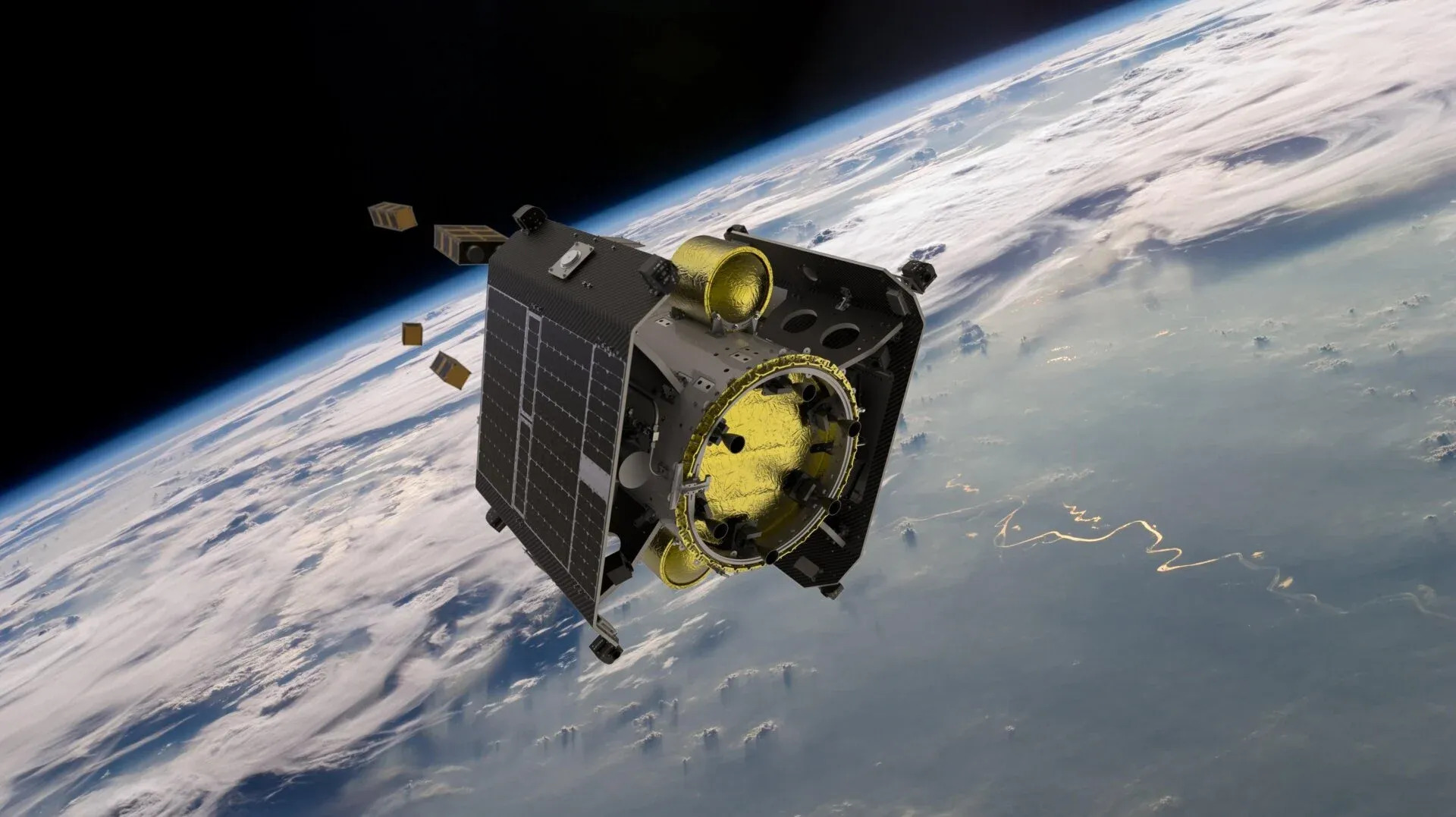
To fix this, Amazon plans to launch over 3,000 satellites into low Earth orbit. These satellites will work together to provide high-speed, low-latency internet to users on the ground, whether they are individuals, businesses, or government organizations.
The project is already underway. In 2025, Amazon launched its first batch of operational satellites using rockets from United Launch Alliance. This is just the beginning of a much larger rollout that will take place over several years, with dozens of launches planned through multiple partners. The goal is to build a fully functional global network by the end of the decade.
Where the Real Innovation Comes In
Satellite internet isn’t new. What makes Kuiper different is how tightly it connects with Amazon Web Services (AWS).
Instead of treating satellites as a separate system, Amazon is linking them directly to its cloud infrastructure. This means that data coming from satellites doesn’t just travel to Earth, it goes straight into powerful cloud systems where it can be processed instantly.
For example, satellite data that might normally take hours to analyze can be processed in minutes or even seconds. This matters in situations like weather monitoring, disaster response, or real-time tracking, where speed makes a real difference.
It also makes things easier for companies. Instead of building expensive ground infrastructure, they can use AWS services to access satellite data on demand and scale up as needed.
How AI Fits into All of This
When people hear “AI-powered satellites,” they often imagine satellites doing everything on their own in space. That’s not exactly how Amazon is approaching it.
Most of the intelligence actually happens on the ground, using AWS. Artificial intelligence and machine learning are used to manage and optimize the entire system.
AI helps in several key ways. It manages how data moves through the network, making sure users get fast and reliable connections. It also analyzes the massive amount of data coming from satellites, turning raw information into useful insights for industries like agriculture, defense, finance, and climate science.
Another important role of AI is safety. With thousands of objects in orbit, there’s a real risk of collisions. AI systems help track satellites and space debris, reducing those risks and keeping the network running smoothly.
Amazon is also exploring how generative AI can be used in areas like satellite design and space operations, potentially speeding up innovation in the long term.
Competing in the Satellite Internet Race
Amazon isn’t alone in this space. Its biggest competitor is SpaceX with its Starlink network, which already has a large number of satellites in orbit and a growing user base.
However, Amazon is betting on a different advantage, its ecosystem. Because Kuiper is deeply connected to AWS, it can offer more than just internet access. It can offer a complete system where connectivity, data processing, and cloud services all work together.
Amazon is also focusing on making its user terminals affordable and easy to use, aiming to bring costs down so more people can access the service. Combined with a large number of planned rocket launches, the company is positioning itself to scale quickly once the system is fully operational.
What This Means Going Forward
Project Kuiper isn’t just about putting satellites in space. It represents a bigger shift in how connectivity works. Instead of the internet being tied to cables and towers, it becomes something that can reach anywhere, and instantly connect to powerful cloud systems.
If Amazon succeeds, this could make high-speed internet more accessible across the globe while also enabling faster data processing and smarter applications in industries that rely on real-time information.
In simple terms, it’s not just about getting more people online. It’s about bringing the full power of the cloud to places that have never had it before.