



Cloud Robotics: How 5G and Edge AI Are Enabling a New Generation of Machines

The realm of robotics is undergoing a profound evolution, moving beyond pre-programmed automation to a new era of intelligent, highly adaptable machines. This transformation is driven by the powerful synergy of Cloud Robotics with breakthrough connectivity provided by 5G networks and the localized processing power of Edge AI. This convergence is enabling a generation of robots that are more autonomous, collaborative, and responsive than ever before, fundamentally reshaping industries and potentially our daily lives.
What is Cloud Robotics?
At its core, cloud robotics refers to robots or automation systems that leverage cloud infrastructure for their computational needs, data storage, and knowledge sharing. Instead of confining all sensing, computing, and memory to a single onboard unit, cloud-enabled robots can offload heavy processing tasks to powerful, centralized cloud servers. This allows them to access vast databases, perform complex calculations, and learn from collective intelligence.
However, relying solely on a distant cloud introduces latency challenges, especially for real-time, mission-critical robotic operations. This is where 5G and Edge AI become indispensable partners.
5G: The Ultra-Fast Nervous System for Robotics
The fifth generation of wireless technology, 5G, is far more than just faster internet for our phones. It provides the critical communication backbone necessary for advanced cloud robotics:
- Ultra-Low Latency: Perhaps the most game-changing aspect for robotics, 5G boasts theoretical latencies as low as 1 millisecond—up to 250 times faster than human reaction time. This near real-time communication enables robots to respond instantly to commands or environmental changes, crucial for applications like remote surgery, autonomous vehicles, or synchronized industrial robots.
- Massive Bandwidth: 5G offers multi-gigabit speeds, allowing for the rapid, unhindered transmission of massive volumes of data from high-resolution cameras, LiDAR, and other complex sensors. This flood of real-time data allows robots to build a far more detailed and accurate understanding of their surroundings through multi-sensor fusion.
- Increased Device Density: 5G networks are designed to support a vast number of connected devices within a given area – up to 100 times more than 4G. This is essential for smart factories, smart cities, and large-scale logistics hubs where hundreds or thousands of robots and IoT devices need to communicate simultaneously.
- Ultra-Reliable Low Latency Communications (URLLC): Beyond just speed, 5G offers enhanced reliability, which is paramount for mission-critical robotic applications where even momentary connection loss could have severe consequences.
- Network Slicing: 5G’s ability to create multiple virtual networks (slices) on a single physical infrastructure allows operators to tailor connectivity performance for specific robotic tasks – for instance, a slice dedicated to ultra-low latency control of robotic arms, or another for high-bandwidth video streaming for remote monitoring.
Edge AI: Bringing Intelligence Closer to the Machine
While 5G provides the superhighway, Edge AI ensures that the “brain” of the robot is close to the action. Edge AI involves processing data locally, either on the robot itself, on nearby gateway devices, or on micro-data centers at the “edge” of the network, rather than sending all raw data to a distant centralized cloud.
- Minimized Latency: By processing data at the source, Edge AI dramatically reduces the time it takes for data to travel, be processed, and for a command to be sent back to the robot. This enables lightning-fast decision-making, crucial for robots operating in dynamic, real-world environments.
- Bandwidth Conservation: Instead of continuously streaming vast amounts of raw data (e.g., high-resolution video feeds) to the cloud, Edge AI processes and filters data locally, only sending critical insights or filtered data. This significantly reduces network congestion and bandwidth costs.
- Enhanced Reliability and Autonomy: Robots equipped with Edge AI can continue to function and make intelligent decisions even if their connection to the central cloud is intermittent or lost. This improved autonomy is vital for robots in remote, hazardous, or challenging environments.
- Improved Data Security and Privacy: Processing sensitive operational data locally at the edge reduces the risk of data interception during transit to distant cloud servers, enhancing security and privacy compliance.
- Cost Efficiency: By offloading real-time processing from expensive cloud resources to more cost-effective edge devices, companies can achieve significant operational savings.
- Real-time Performance: AI models running directly on edge devices allow for instant analysis of sensor data, enabling real-time actions for tasks like predictive maintenance, precision quality control, and immediate obstacle avoidance.
The New Generation of Machines: Applications in the Real World
The combined power of 5G and Edge AI is unlocking unprecedented capabilities, leading to a new generation of intelligent machines across various sectors:
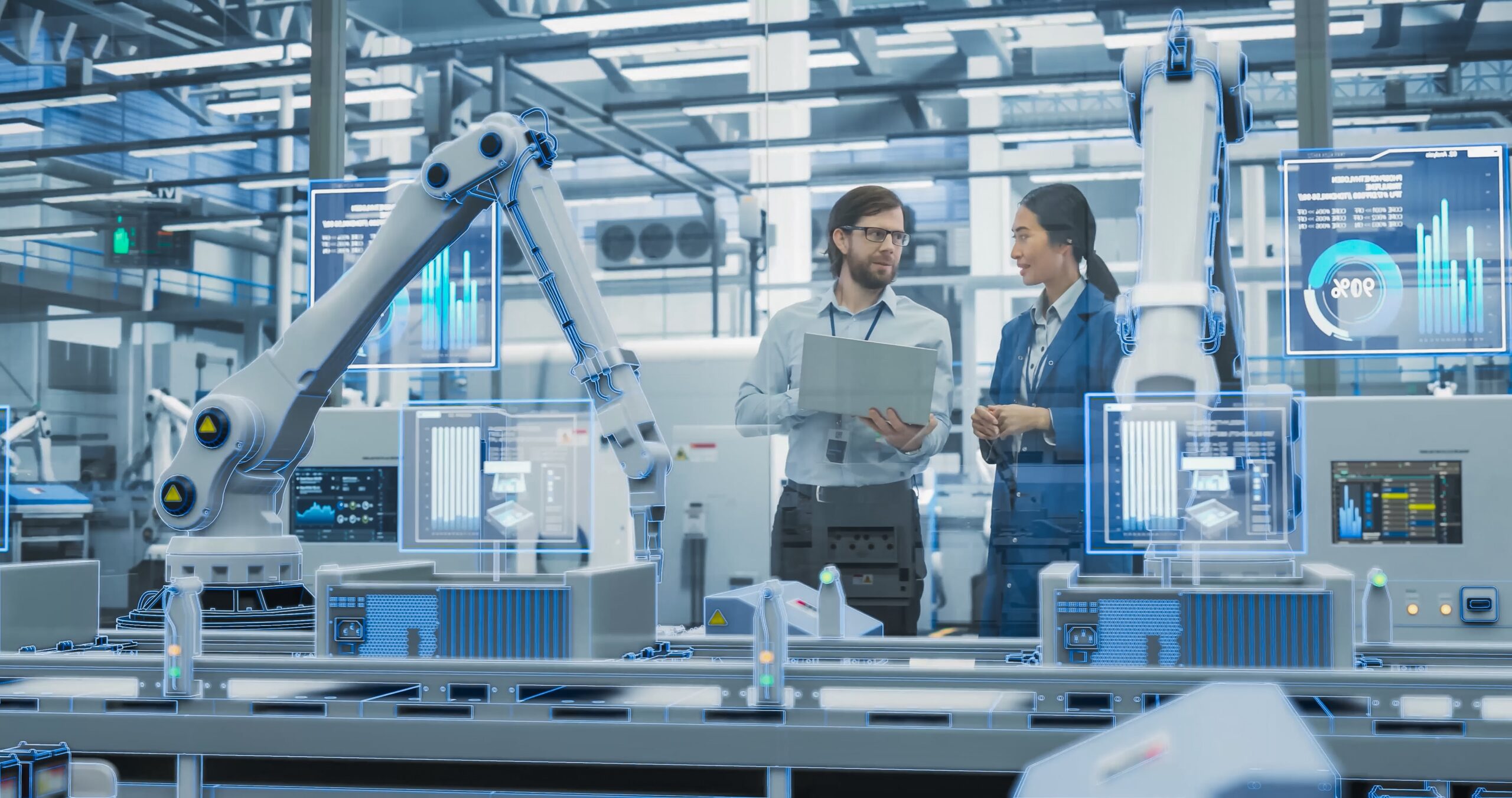
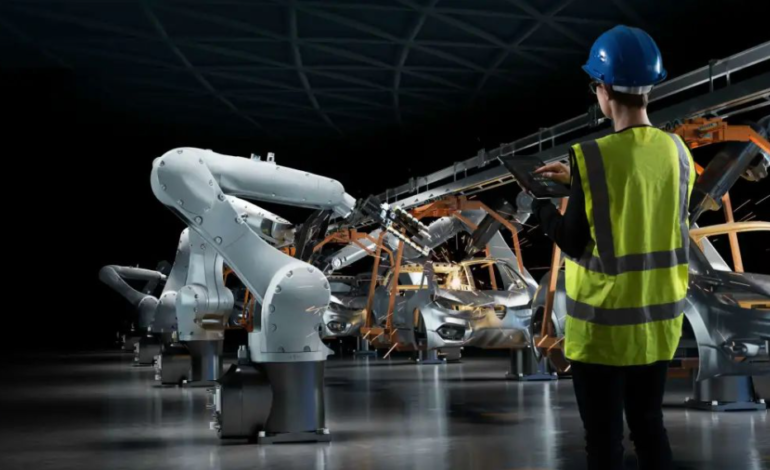
- Smart Factories and Industry 4.0:
- Headless Robots: Some robotic systems are becoming “headless,” offloading navigation and complex control to an Edge Cloud connected via 5G. This allows robots to be smaller, lighter, and more mobile, as they require less onboard processing power and battery capacity.
- Real-time Control and Synchronization: 5G’s low latency allows for the precise, real-time synchronization of multiple robotic arms and automated guided vehicles (AGVs) on a production line, boosting efficiency and reducing errors. Early adopters of private 5G networks in manufacturing have reported productivity gains of up to 30%, energy savings of 20%, and maintenance cost reductions of 25-30%.
- Predictive Maintenance and Quality Control: Edge AI processes sensor data from machines locally, enabling immediate detection of potential equipment failures or product defects, leading to proactive maintenance and enhanced quality.
- Human-Robot Collaboration: The low latency and reliability enable safer and more seamless interaction between humans and collaborative robots (cobots), as robots can react instantly to human presence.
- Logistics and Warehousing: Autonomous Mobile Robots (AMRs) can navigate complex warehouse environments, optimize routes, and manage inventory with unprecedented efficiency, leveraging 5G for seamless data exchange and Edge AI for real-time obstacle avoidance.
- Healthcare:
- Remote Robotic Surgery: 5G’s high-definition video transmission and ultra-low latency are making remote robotic surgeries a viable reality, allowing specialists to operate on patients across vast distances.
- Intelligent Hospital Logistics: Robots can automate tasks like delivering medications, sterilizing rooms, and transporting supplies, improving operational efficiency and patient care.
- Smart Cities and Public Safety: AI-powered security cameras leveraging Edge AI for immediate threat detection, traffic flow management systems that adapt in real-time, and drones for public safety operations (e.g., fire detection, search and rescue) are becoming more capable with 5G connectivity.
- Next-Gen Autonomous Vehicles: Self-driving cars, connected via 5G and processing critical sensor data with Edge AI, can make instantaneous decisions to navigate safely and efficiently.
The convergence of cloud robotics, 5G, and Edge AI is not merely an incremental improvement; it’s a paradigm shift. It empowers machines to transcend their physical limitations, offload complex processing, and operate with unprecedented intelligence and responsiveness. As these technologies continue to mature, we can expect to see an explosion of highly capable, autonomous, and seamlessly connected machines transforming every aspect of our lives, from the factory floor to our homes and beyond.