





How NVIDIA’s Jetson Platform Is Powering the Next Generation of Smart Robots

The evolution of robotics has reached a pivotal point, moving beyond mere automation to truly intelligent, autonomous machines capable of sophisticated perception, decision-making, and interaction. At the heart of this revolution is NVIDIA’s Jetson platform, a series of embedded computing boards designed specifically to bring powerful AI capabilities to the edge. By integrating high-performance GPUs with energy-efficient processors, Jetson is becoming the brain that powers the next generation of smart robots across diverse applications.
What is the NVIDIA Jetson Platform?
NVIDIA Jetson is more than just a single chip; it’s a comprehensive platform comprising:
- Jetson Modules: These are small, power-efficient System-on-Modules (SOMs) that integrate a GPU, CPU, memory, power management, and high-speed interfaces. The Jetson family ranges from the entry-level Jetson Nano (ideal for small-scale projects and education) to the mid-range Jetson Xavier NX and the high-performance Jetson AGX Orin series (designed for complex industrial and autonomous systems).
- JetPack SDK: This complete software development kit (SDK) provides a Linux operating system, CUDA-X accelerated libraries (for parallel computing), and APIs optimized for AI, deep learning, computer vision, and more. JetPack simplifies the development and deployment of AI applications on Jetson modules.
- A Robust Ecosystem: NVIDIA fosters a rich ecosystem of developers, partners, and community projects, providing tools, support, and resources that accelerate development.
This integrated approach enables developers to create AI-powered robots that can perform real-time processing, run complex neural networks, and handle multiple high-resolution sensor streams simultaneously, all within a compact and power-efficient form factor.
How Jetson Infuses AI into Robots
The core strength of the Jetson platform for robotics lies in its GPU-accelerated computing capabilities, which are essential for running modern AI workloads at the edge:
- High-Performance AI Inference: Jetson modules, particularly the Orin series (e.g., Jetson AGX Orin, Jetson Orin Nano), deliver astonishing AI performance, ranging from 34 TOPS (Tera Operations Per Second) to 275 TOPS for the AGX Orin 64GB module. This raw computational power allows robots to execute complex deep learning models for tasks like:
- Object Detection and Recognition: Identifying and classifying objects in real-time from camera feeds.
- Semantic Segmentation: Understanding the context of every pixel in an image to differentiate between obstacles, pathways, and specific items.
- Pose Estimation: Detecting the orientation and position of objects or human bodies for manipulation or interaction.
- Natural Language Processing (NLP): Enabling robots to understand and respond to spoken commands.
- Efficient Edge Processing: By performing AI inference directly on the robot (at the “edge”), Jetson significantly reduces latency. This is crucial for robots that need to react instantaneously to dynamic environments, such as autonomous mobile robots (AMRs) navigating a busy warehouse or robotic arms performing precision assembly. It also conserves bandwidth by reducing the need to send massive amounts of raw sensor data to the cloud for processing.
- Sensor Fusion and Perception: Modern robots rely on multiple sensors (cameras, LiDAR, radar, IMUs). Jetson’s powerful GPU and dedicated accelerators (like NVDLA for Deep Learning and PVA for Vision) can efficiently process and fuse data from these diverse inputs, creating a comprehensive and robust perception of the robot’s environment.
- Robotics-Specific Software Stacks: NVIDIA complements its hardware with specialized software platforms:
- NVIDIA Isaac ROS: Built on the open-source ROS 2, Isaac ROS provides CUDA-accelerated packages and AI models specifically optimized for robotics tasks like localization, mapping (SLAM), navigation, and manipulation. It offers ready-to-use “GEMs” (GPU-accelerated packages) for common functions like visual SLAM (Isaac ROS Visual SLAM) and dense 3D map creation (Isaac ROS nvBlox).
- NVIDIA Isaac Sim: Built on NVIDIA Omniverse, Isaac Sim provides a physically accurate virtual environment for simulating, testing, and training AI-driven robots. Developers can generate vast amounts of synthetic data to train AI models, test entire robot fleets in various scenarios, and validate behaviors before deploying to the physical world. This significantly speeds up development and reduces costs.
- NVIDIA Isaac Manipulator & Isaac Perceptor: These are specialized frameworks built on Isaac ROS, enabling the rapid development of AI-powered robotic arms for complex manipulation and advanced perception for autonomous mobile robots, respectively.
Powering the Next Generation: Real-World Applications
NVIDIA Jetson is already the embedded computing platform of choice for a wide array of cutting-edge robotic applications:
- Autonomous Mobile Robots (AMRs): In logistics, manufacturing, and even retail, Jetson-powered AMRs can autonomously navigate complex environments, identify and transport goods, and avoid obstacles in real-time. Companies are leveraging Jetson to build intelligent forklifts and delivery robots that improve efficiency and safety.
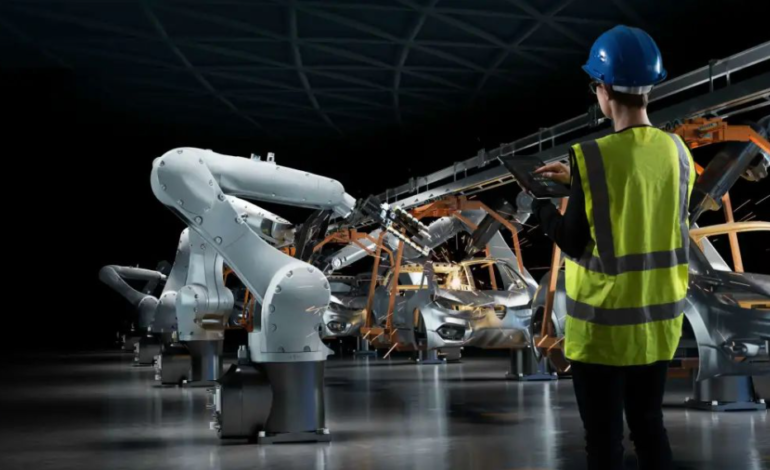
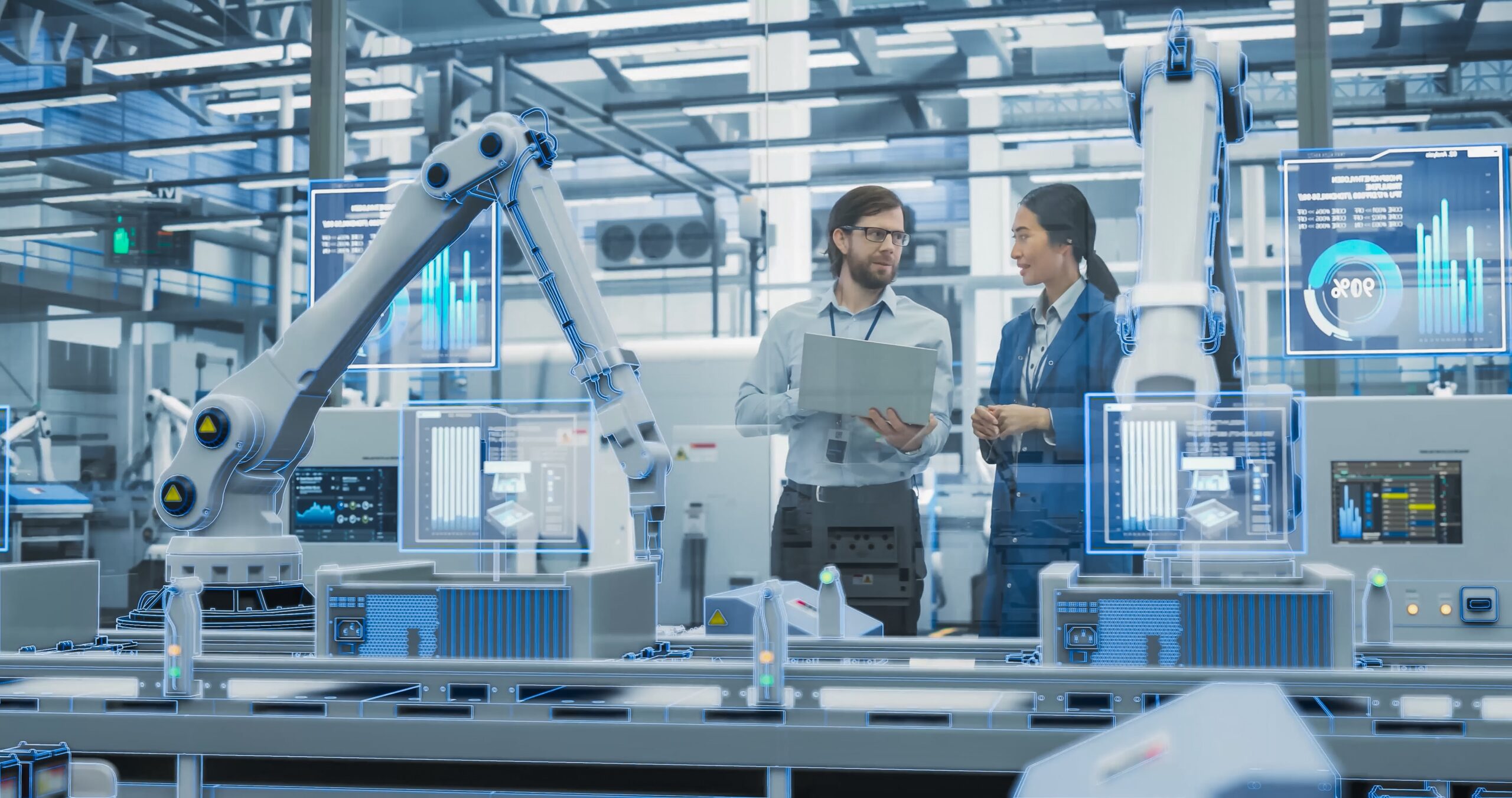
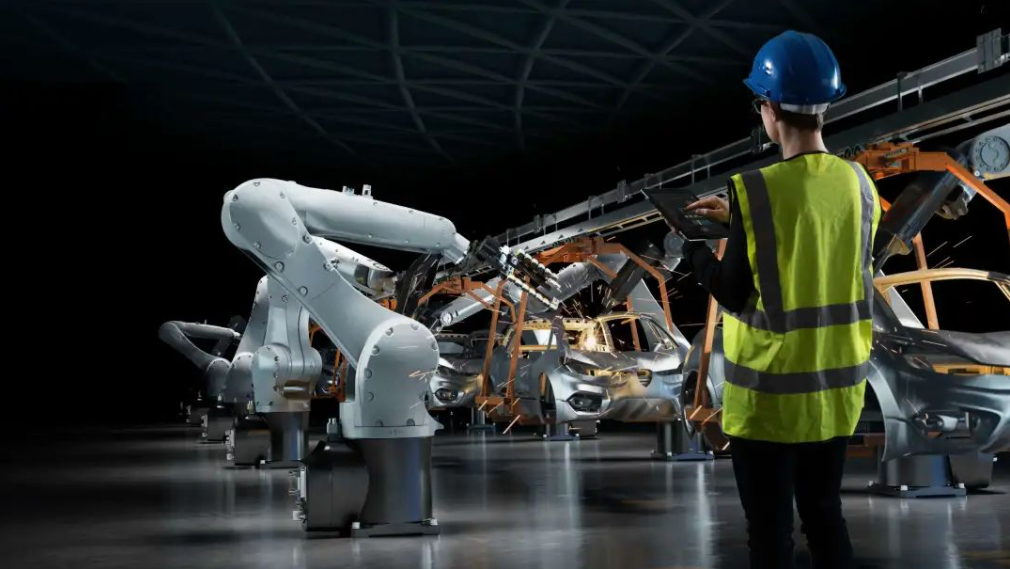
- Industrial Robotics: Jetson enables precision tasks in manufacturing, such as automated optical inspection (AOI), quality control, and robotic assembly. For example, a 6-axis robot controller using Jetson Orin and Xavier can achieve high precision and control, resolving dynamic and spatial orientation challenges.
- Humanoid Robots: The demand for more versatile and intelligent humanoid robots is growing, and Jetson’s powerful AI inference capabilities are critical for these complex machines to perceive, understand, and interact with the human world. NVIDIA’s own Isaac GR00T initiative is developing foundation models for general-purpose humanoid robots, often leveraging Jetson for deployment.
- Service Robots: From advanced cleaning robots that intelligently map and navigate spaces to sophisticated service robots in hospitality or healthcare, Jetson provides the necessary compute for complex AI tasks like facial recognition for personalized interactions or intelligent navigation in crowded environments.
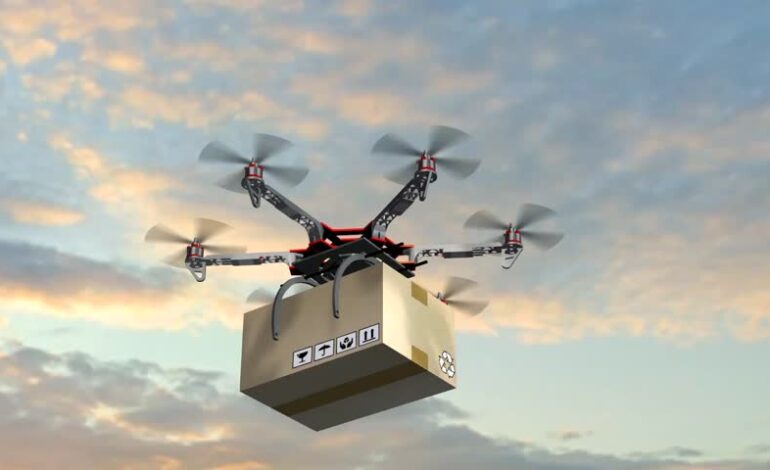
- Drones and Unmanned Aerial Vehicles (UAVs): Jetson modules enable drones to perform autonomous navigation, aerial inspection, object tracking, and even complex acrobatic maneuvers by processing visual data and flight control algorithms onboard.
- Agricultural Robots: Intelligent robots for precision agriculture, such as autonomous sprayers, crop monitoring drones, and harvesting robots, rely on Jetson to analyze crop health, detect pests, and optimize resource application.
NVIDIA’s Jetson platform is more than just a component; it’s a comprehensive ecosystem that empowers developers to build the next generation of smart robots. By providing unparalleled AI computing at the edge, coupled with powerful software tools and an extensive community, Jetson is accelerating the deployment of intelligent, autonomous machines that are set to redefine industries and transform our interaction with technology.