






Sustainable AI: Designing Energy-Efficient Models and Data Centers

Artificial intelligence, with its profound capabilities, is rapidly transforming industries and daily life. However, this transformative power comes with a growing environmental footprint. The immense computational demands of training and running sophisticated AI models, coupled with the energy consumption of the data centers that house them, present a significant sustainability challenge. The concept of Sustainable AI emerges as a critical paradigm, focusing on designing energy-efficient models and optimizing data center operations to mitigate AI’s ecological impact.
The Growing Energy Appetites of AI
The computational intensity of modern AI, particularly deep learning, is staggering. Training a single large language model (LLM) like GPT-3 can consume vast amounts of energy, generating a carbon footprint equivalent to that of several cars over their lifetime, or even more. Estimates vary, but some studies have pointed to the training of models producing hundreds of thousands of pounds of CO2 emissions, a figure comparable to multiple transatlantic flights. Beyond training, the continuous inference (using the model to make predictions) in real-world applications, though individually less intensive, collectively contributes significantly to energy demand.
The primary culprits are the sheer number of parameters in these models, the massive datasets they process, and the iterative nature of training, which involves billions or trillions of calculations. As AI becomes more ubiquitous, from recommending content to powering self-driving cars and medical diagnostics, the cumulative energy demand escalates, putting pressure on global energy grids and contributing to greenhouse gas emissions if not powered by renewable sources.
Data Centers: The Powerhouses of AI
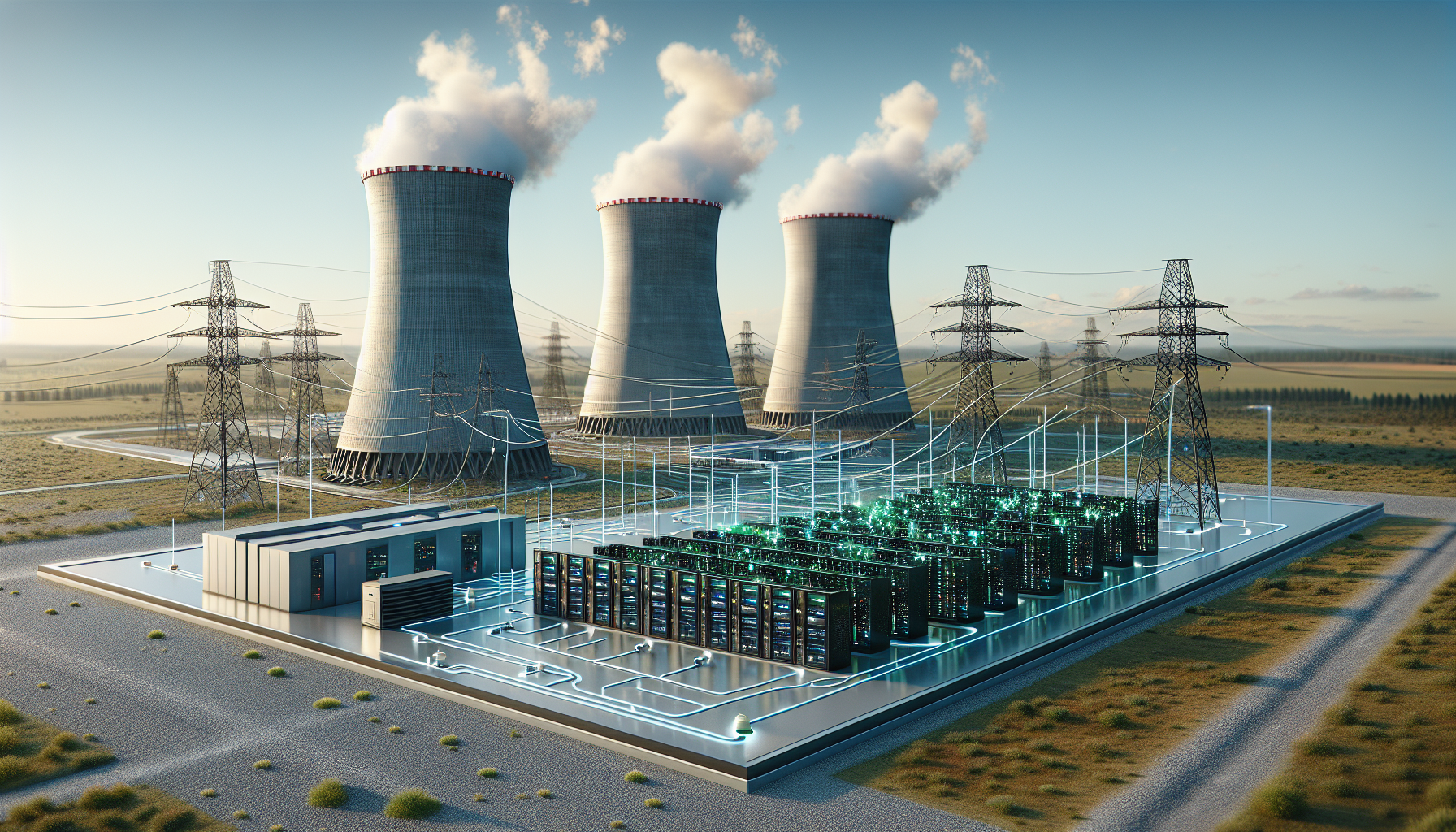
AI models do not exist in a vacuum; they reside within vast data centers, which are themselves massive consumers of energy. These facilities require enormous amounts of electricity not just for the servers and computational hardware, but also for vital support systems, predominantly cooling.
- Cooling Systems: Servers generate immense heat, and maintaining optimal operating temperatures is crucial for performance and longevity. Traditional air-cooling systems are energy-intensive, often accounting for 30-40% of a data center’s total energy consumption.
- Power Infrastructure: Uninterruptible Power Supplies (UPS), power distribution units (PDUs), and other electrical infrastructure also consume significant energy and can lead to efficiency losses.
- Overall Energy Footprint: Globally, data centers account for an estimated 1-2% of total electricity demand, a figure projected to rise with the proliferation of AI and other data-intensive technologies. This translates into a substantial carbon footprint if the electricity is sourced from fossil fuels.
Strategies for Energy-Efficient AI Models
To build a more sustainable AI ecosystem, efforts must focus on optimizing the models themselves:
- Model Compression and Quantization:
- Pruning: Removing redundant connections or neurons in a neural network without significantly impacting performance.
- Quantization: Reducing the precision of the numerical representations (e.g., from 32-bit floating point to 8-bit integers). This dramatically reduces memory footprint and computational requirements for both training and inference.
- Knowledge Distillation: Training a smaller, “student” model to mimic the behavior of a larger, “teacher” model, achieving similar performance with fewer resources.
- Efficient Architectures and Algorithms:
- Hardware-Aware Design: Developing AI models specifically optimized to run efficiently on target hardware (e.g., GPUs, TPUs, specialized AI accelerators).
- Sparse Models: Designing models with fewer active connections or parameters, leading to less computation.
- Efficient Transformers: Research into more energy-efficient variants of the Transformer architecture, which is fundamental to many large language models.
- Green AI Methodologies:
- Focus on Efficiency over Accuracy: Prioritizing models that achieve acceptable accuracy with minimal computational cost, rather than pursuing marginal accuracy gains at exponentially higher energy consumption.
- Reusability: Leveraging pre-trained models and fine-tuning them for specific tasks, avoiding the need to train massive models from scratch.
- Lifelong Learning/Continual Learning: AI systems that can learn new tasks incrementally without needing to be fully re-trained, reducing computational cycles.
Designing Sustainable Data Centers for AI
Complementing efficient AI models are green data center practices that minimize the environmental impact of their operation:
- Renewable Energy Integration:
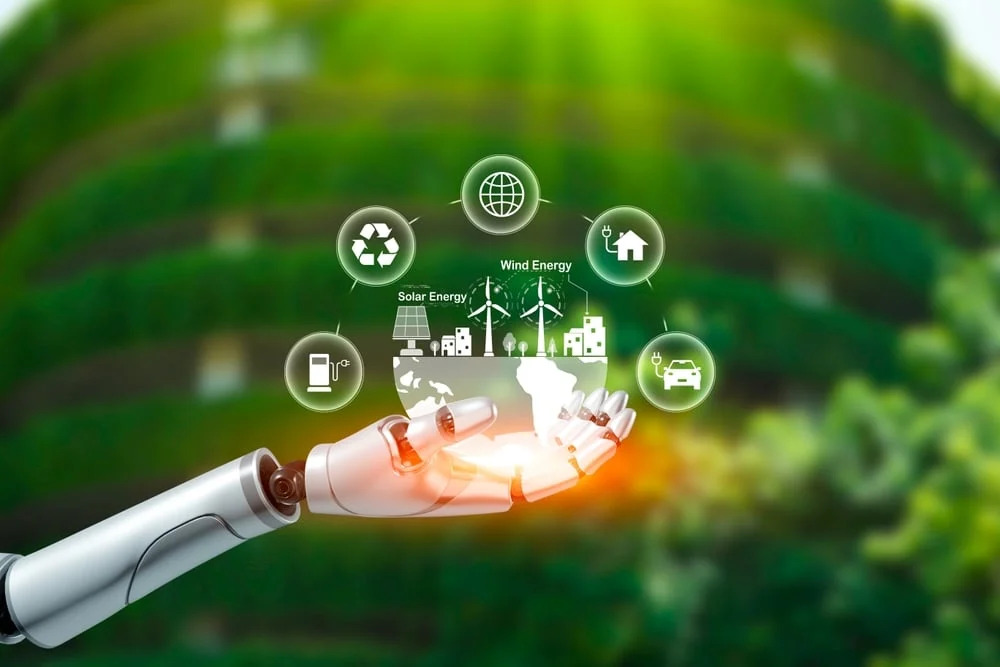
- Direct Sourcing: Powering data centers entirely or predominantly with electricity from renewable sources like solar, wind, and hydropower. Many tech giants are making commitments to 100% renewable energy for their operations.
- Power Purchase Agreements (PPAs): Long-term contracts with renewable energy developers to directly fund new green energy projects.
- Advanced Cooling Techniques:
- Liquid Cooling: Immersing servers directly in dielectric fluid (immersion cooling) or using cold plates that attach to hot components (direct-to-chip cooling). Liquid is far more efficient at transferring heat than air, drastically reducing cooling energy consumption and enabling higher server densities.
- Free Cooling: Utilizing outside air or water temperatures to cool data centers, especially in colder climates, reducing the need for mechanical refrigeration.
- Hot/Cold Aisle Containment: Physically separating hot exhaust air from cold intake air to prevent mixing and improve cooling efficiency.
- Waste Heat Recovery:
- Instead of simply expelling hot air, advanced data centers are exploring ways to capture and reuse this waste heat. This can involve channeling it to heat nearby buildings, for district heating systems, or even for industrial processes.
- Location Optimization:
- Strategically locating data centers in areas with cooler climates (to leverage free cooling) or near abundant sources of renewable energy (e.g., hydroelectric dams).
- Hardware Efficiency and Virtualization:
- Utilizing more energy-efficient server hardware and components.
- Employing virtualization to maximize the utilization of physical servers, reducing the number of idle machines.
The Imperative for Sustainable AI
The quest for more powerful AI must be balanced with a responsibility to our planet. Sustainable AI is not merely about reducing carbon footprints; it’s about fostering a future where technological advancement aligns with ecological well-being. By prioritizing energy-efficient model design and investing in green data center infrastructure, the AI community can ensure that artificial intelligence remains a force for good, contributing to a more intelligent and sustainable world. This collaborative effort across researchers, developers, and infrastructure providers is essential to build an AI future that is both brilliant and green.